Your Child’s Myopia Follow-Up in Scottsdale: What to Ask About Prescription Changes and Treatment Progress

Your Child’s Myopia Follow-Up in Scottsdale: What to Ask About Prescription Changes and Treatment Progress

Your Child’s Myopia Follow-Up in Scottsdale: What to Ask About Prescription Changes and Treatment Progress

Your Child’s Myopia Follow-Up in Scottsdale: What to Ask About Prescription Changes and Treatment Progress

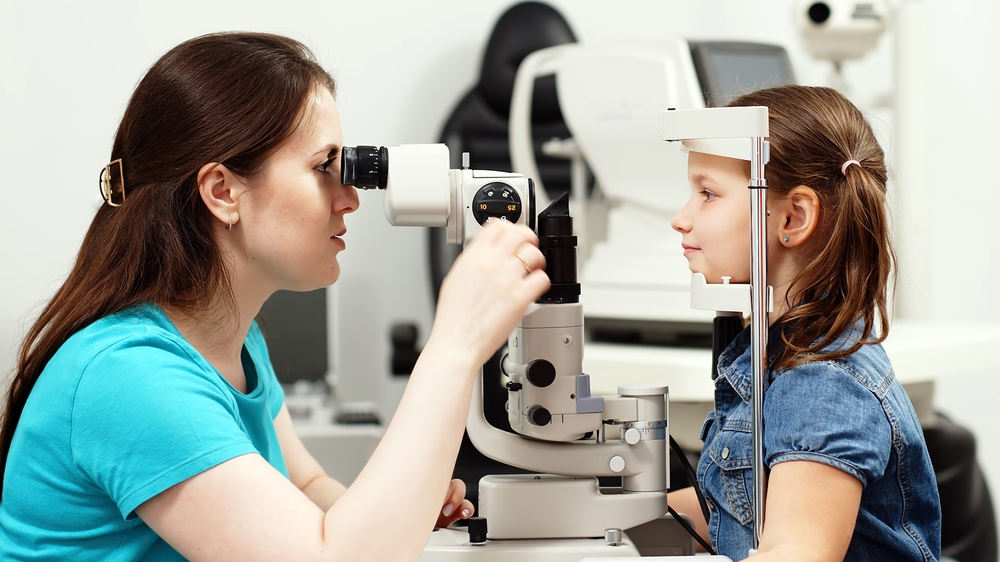
Myopia, commonly known as nearsightedness, often progresses during childhood as the eyes grow. If your child is receiving myopia management, regular follow-up visits are essential for monitoring prescription changes and evaluating treatment progress. At Zmyslinski Eye & Contact Lens Center in Scottsdale, AZ, we help families understand their child's vision changes and the importance of ongoing eye care.
Knowing what to ask during a myopia follow-up appointment can help you make informed decisions about your child's long-term eye health.
Why Are Myopia Follow-Up Visits Important?
Myopia typically develops during childhood and may continue progressing through the teenage years. As the condition progresses, children may need stronger prescriptions to see distant objects clearly.
Routine eye exams allow us to monitor these changes and determine whether adjustments to your child's vision correction or myopia management plan may be appropriate.
For Scottsdale families, consistent monitoring also helps identify changes that children may not notice or communicate. Even when your child reports seeing clearly, their prescription or eye growth may be changing.
Questions to Ask About Your Child's Prescription Changes
Understanding your child's prescription is an important part of monitoring myopia progression. During their next follow-up visit, consider asking:
Has my child's prescription changed? Ask how the current prescription compares to previous measurements and whether the changes are significant.
Is my child's myopia progressing quickly? Understanding the rate of progression can help determine whether additional monitoring or treatment adjustments are necessary.
Is the current treatment working? Ask whether the results suggest that your child's myopia is progressing more slowly than expected.
Should we consider adjusting their treatment? Changes in prescription, eye growth, or other findings may influence our recommendations.
When should we return for another evaluation? Follow-up frequency depends on your child's age, prescription changes, and treatment plan.
These questions can help parents better understand their child's progress and what to expect moving forward.
How Do Eye Doctors Measure Myopia Treatment Progress?
Evaluating myopia management involves more than checking whether a child can read an eye chart.
At follow-up appointments, we can compare prescription measurements with previous visits and evaluate your child's overall vision. Depending on the evaluation and available testing, monitoring may also include measuring axial length, which is the distance from the front to the back of the eye.
Axial length measurements can provide additional information because myopia progression is often associated with eye elongation.
The goal of myopia management is to slow progression rather than permanently eliminate nearsightedness. Treatment effectiveness varies, making regular monitoring an important part of ongoing care.
What If Your Child's Myopia Continues to Progress?
Some prescription changes may occur even when a child is receiving myopia management treatment. This does not automatically mean the treatment is ineffective.
If your child's nearsightedness continues progressing, we can review their examination findings, treatment adherence, and vision needs to determine whether changes are appropriate.
We may also discuss everyday habits that support healthy visual development, including spending time outdoors and taking regular breaks from prolonged near work. These habits can complement, but do not replace, appropriate myopia treatment.
At Zmyslinski Eye & Contact Lens Center, we understand that parents want clear answers about their child's changing vision. For personalized myopia management and follow-up eye care in Scottsdale, AZ, contact our team at (480) 945-9971 to learn more about your child's treatment progress.


Monday to Friday 10:00 AM - 06:00 PM
Saturday 10:00 AM - 05:00 PM
Sunday 11:00 AM - 04:00 PM
Saturday 10:00 AM - 05:00 PM
Sunday 11:00 AM - 04:00 PM
© 2025 Zmyslinski Eye & Contact Lens Center. All Rights Reserved.
Powered by: