
Blog

Blog

Blog

Blog

Zmyslinski Eye & Contact Lens Center Blog
Learn more about optometry care in our blog!

Sudden vision changes can be alarming, especially when they happen without warning. While some vision concerns develop gradually as prescriptions change over time, sudden symptoms may signal a condition that needs immediate attention. At Zmyslinski Eye & Contact Lens Center in Scottsdale, we provide personalized vision and medical eye care to help patients understand when symptoms require urgent evaluation.
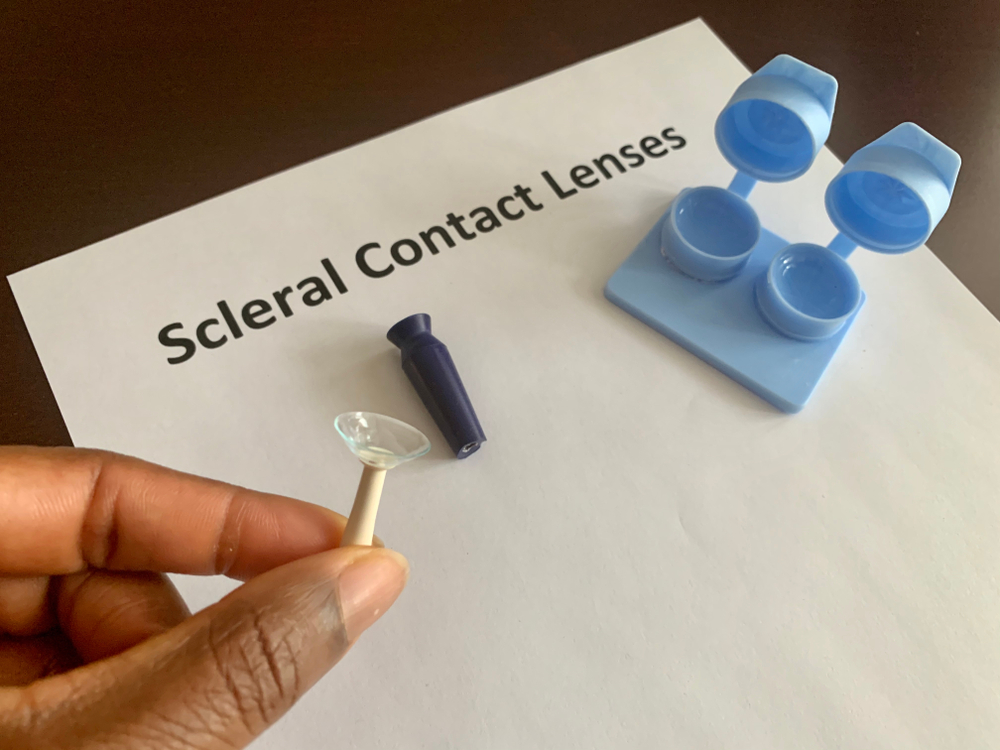
Scleral lenses are larger, rigid gas-permeable contact lenses that rest on the white part of the eye rather than directly on the cornea. Their design allows the lens to vault over the corneal surface, creating a fluid-filled reservoir between the lens and the eye. This can provide clearer, more stable vision while helping protect and hydrate the cornea.
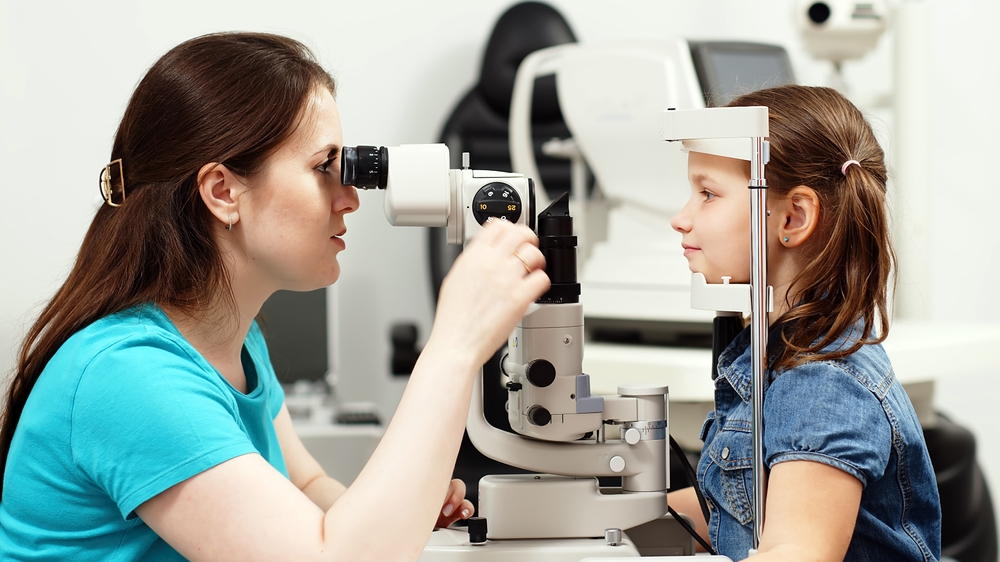
Myopia, commonly known as nearsightedness, often progresses during childhood as the eyes grow. If your child is receiving myopia management, regular follow-up visits are essential for monitoring prescription changes and evaluating treatment progress. At Zmyslinski Eye & Contact Lens Center in Scottsdale, AZ, we help families understand their child's vision changes and the importance of ongoing eye care.
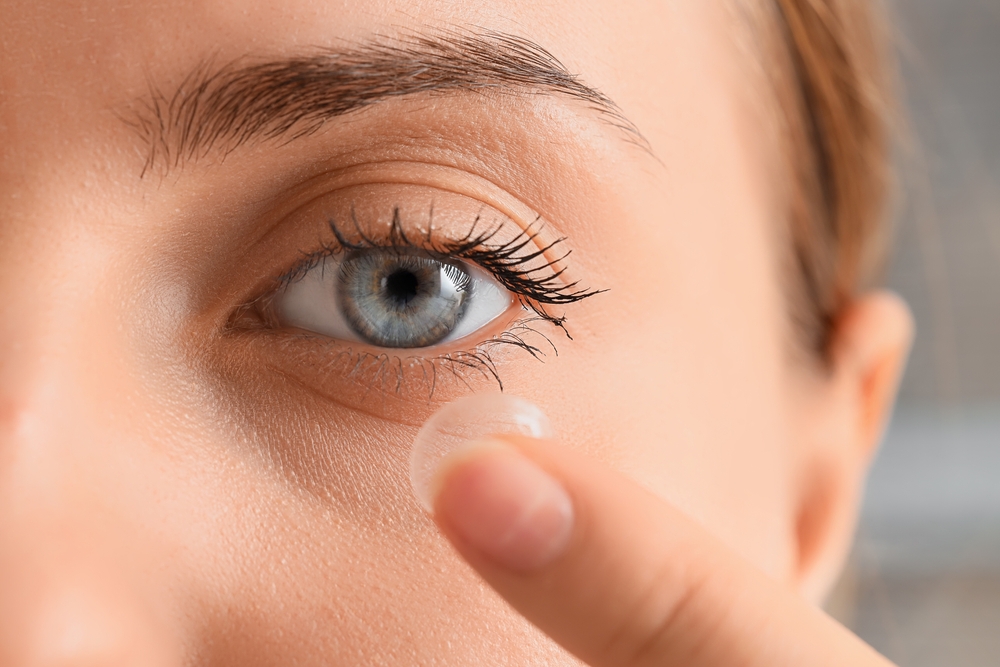
Have you ever tried contact lenses and just could not get comfortable? You see friends wearing them with ease, but for you, they might feel dry, itchy, or just plain annoying. If that is you, please know you are not alone. It is a common experience, and it usually comes down to one simple fact: our eyes are wonderfully unique.

Glaucoma is often called the "silent thief of sight" because it can slowly damage your vision without noticeable symptoms in the early stages. Over time, this eye condition can significantly impact your ability to perform daily activities and enjoy your usual routines. Understanding glaucoma, how it affects vision, and the importance of routine eye exams can help protect your eye health and preserve your quality of life.
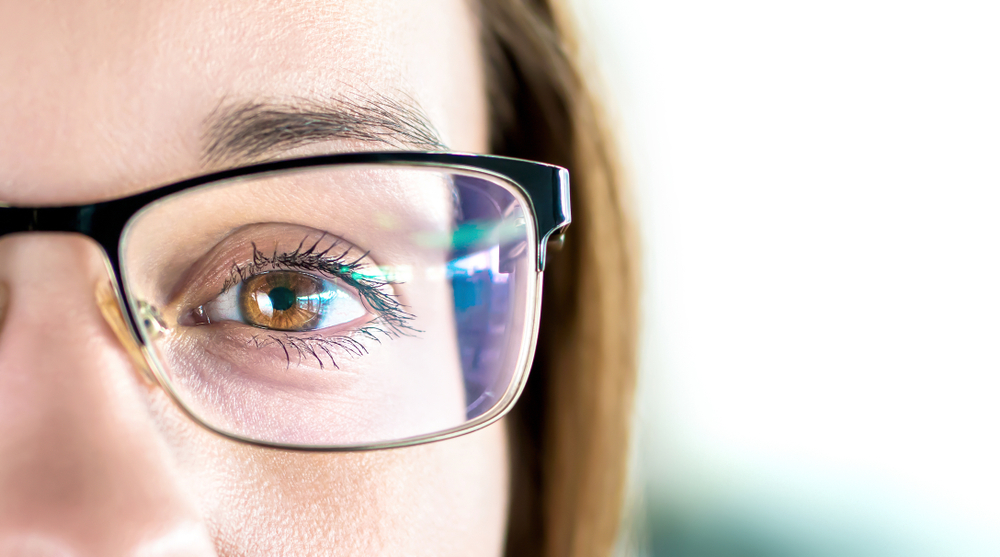
Myopia, also known as nearsightedness, is a growing concern for eye health worldwide. As more children and young adults are diagnosed with myopia each year, eye care professionals are increasingly focused on strategies to slow its progression and protect long-term vision. But how exactly does myopia management make a difference for your eyes in the years to come?

Glaucoma, often referred to as the “silent thief of sight,” continues to be a major cause of vision loss worldwide. Fortunately, 2025 brings promising innovations that are reshaping how this condition is managed and treated. Here’s a look at some of the most exciting developments in glaucoma treatment.

Keratoconus happens when the cornea, the clear part of your eye, thins and bulges outward. This condition often starts during the teenage years and worsens slowly over time. It can make daily activities difficult due to symptoms like:

Cataracts are a common eye condition, especially as people age, and can significantly impact vision quality. Understanding the causes, recognizing the symptoms, and knowing the treatment options available is crucial to preserving your vision. At Zmyslinski Eye & Contact Lens Center, we are committed to educating patients about cataracts and providing personalized care to manage and treat this condition.

Myopia, also known as nearsightedness, is a common refractive error that affects the way your eyes focus light. If you have myopia, you may find it challenging to see distant objects clearly, while closer objects appear sharp and in focus. Understanding myopia and exploring effective management strategies can help you maintain optimal eye health and visual acuity throughout your life.


Monday to Friday 10:00 AM - 06:00 PM
Saturday 10:00 AM - 05:00 PM
Sunday 11:00 AM - 04:00 PM
Saturday 10:00 AM - 05:00 PM
Sunday 11:00 AM - 04:00 PM
© 2025 Zmyslinski Eye & Contact Lens Center. All Rights Reserved.
Powered by:


